Write what you have.
A WhatsApp message, the way you would tell a colleague: what it is, how much, where. No forms.
Every harvest and every process leaves something over. Volvere connects whoever produces it with a company that can use it, as close as possible: less is thrown away and less is trucked around.
Every year in Italy, millions of tonnes of agricultural leftovers sit idle or are disposed of as waste. Volvere exists so that this value flows back: from the field, the winery and the olive mill to whoever can transform it.
Tell it on WhatsApp, the way you would say it out loud. Volvere estimates the value and looks for a company that will collect it.
Virgin pomace: many wineries are required to send it to a distillery. Check the exemptions before sending it anywhere else.
This is an example, not an offer.
A WhatsApp message, the way you would tell a colleague: what it is, how much, where. No forms.
Red or white grapes, fermented or not, with or without stalks: these are the things that change the value. If something is missing, Volvere asks, one question at a time.
You get a price range for each possible use, with the rule that applies to it. It's an estimate, not an offer.
The lot appears on the companies' map without your name. The dots around it are companies that could collect it. If one is interested we tell you, and contact only starts if you confirm.
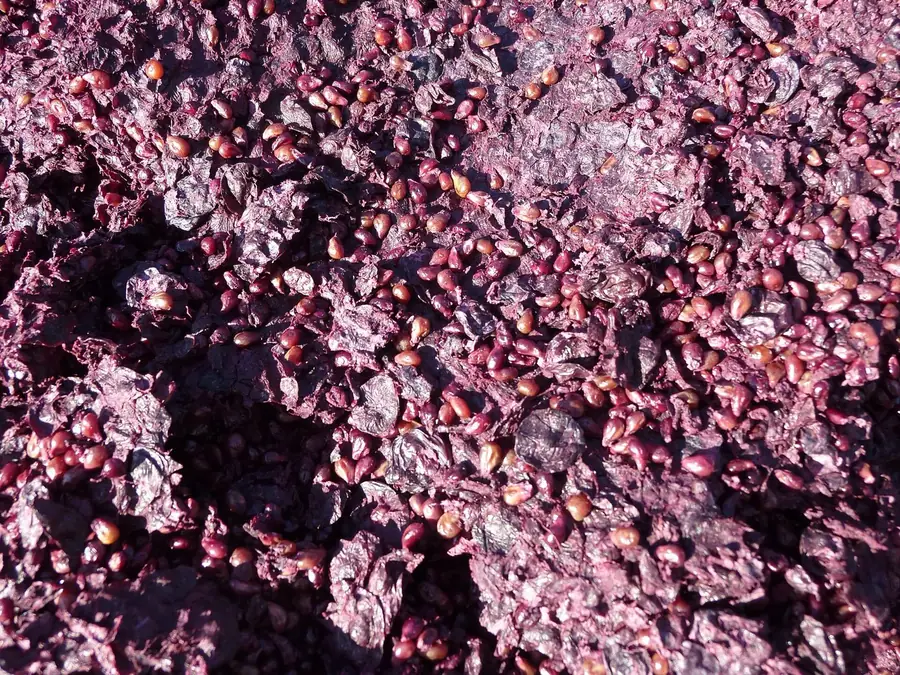 Example
For 30 tonnesup to €3,600
These are the five supply chains we decided to start from, chosen for available volume and market demand. The figures come from ENEA's report on the availability of agro-industrial biomass in Italy and show how many tonnes of dry matter are available each year. The tags represent the main potential uses of the material.
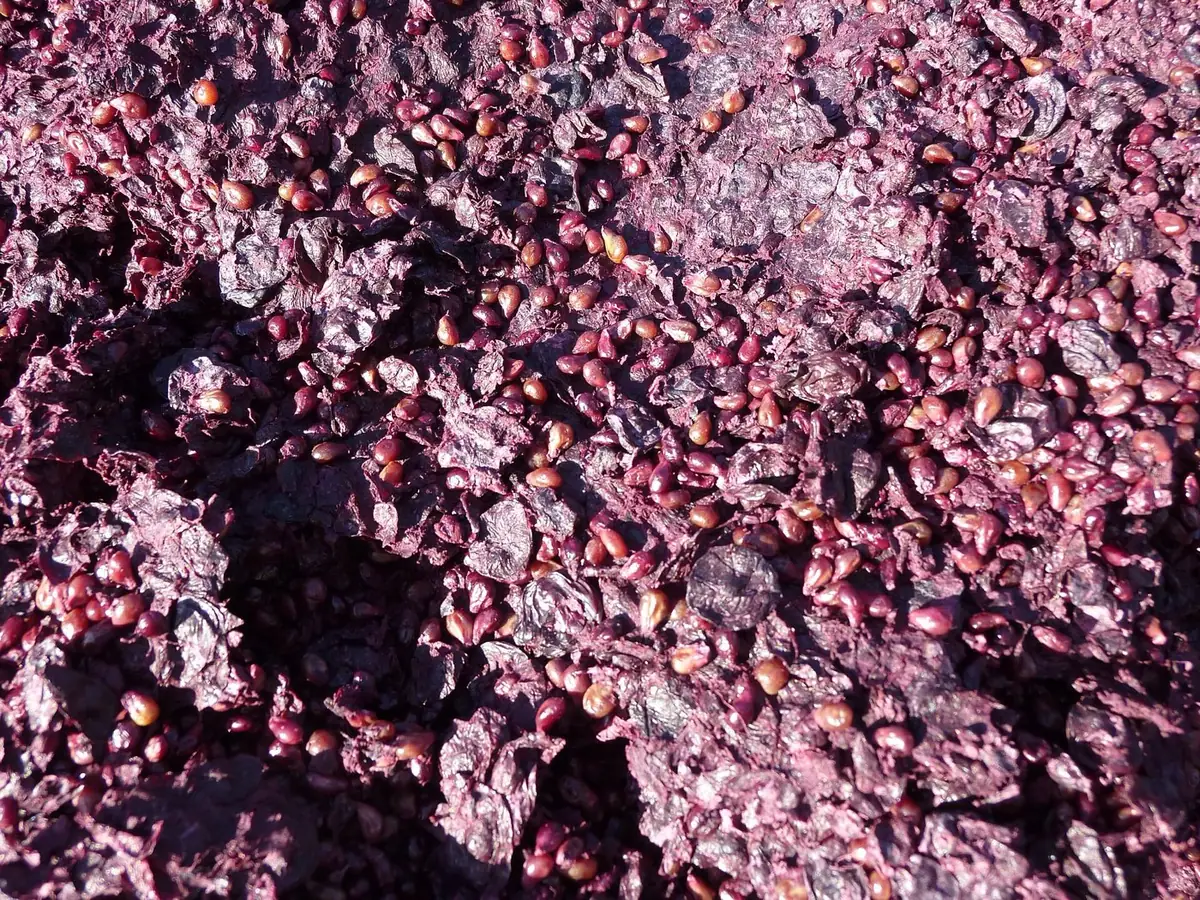
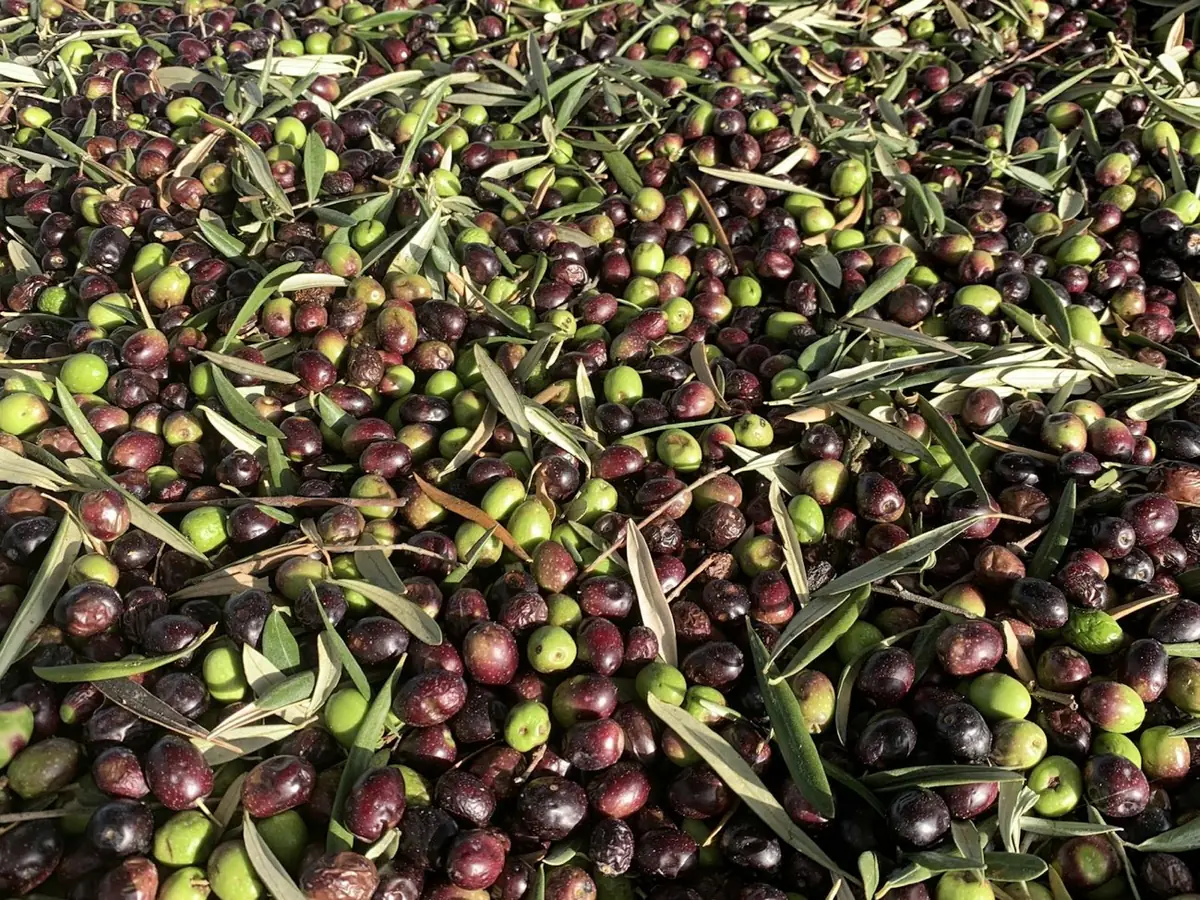
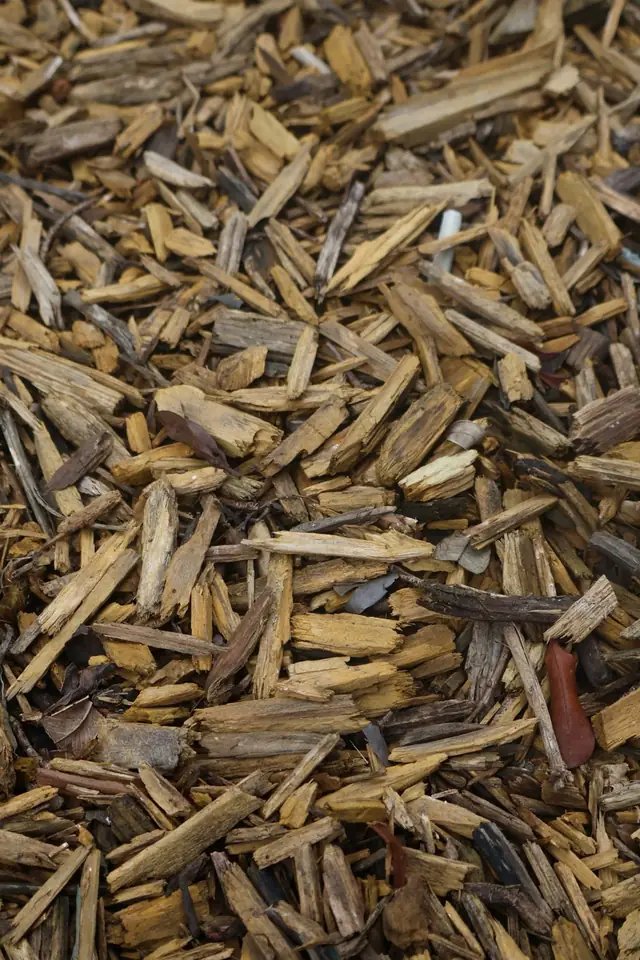
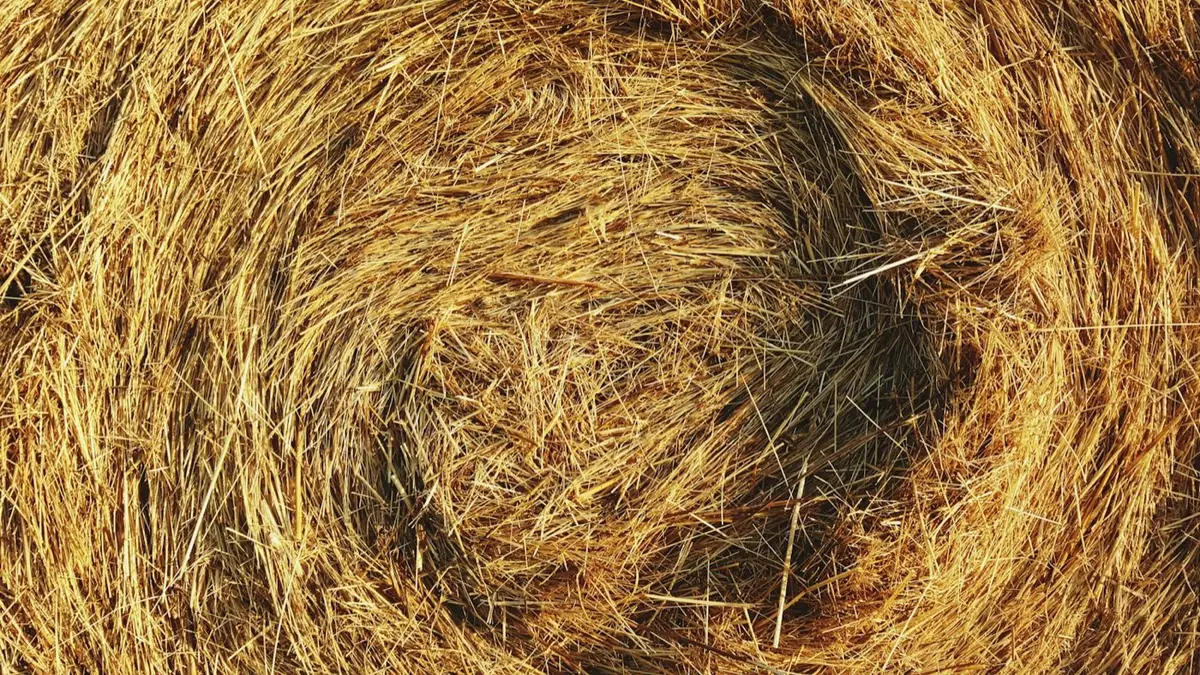
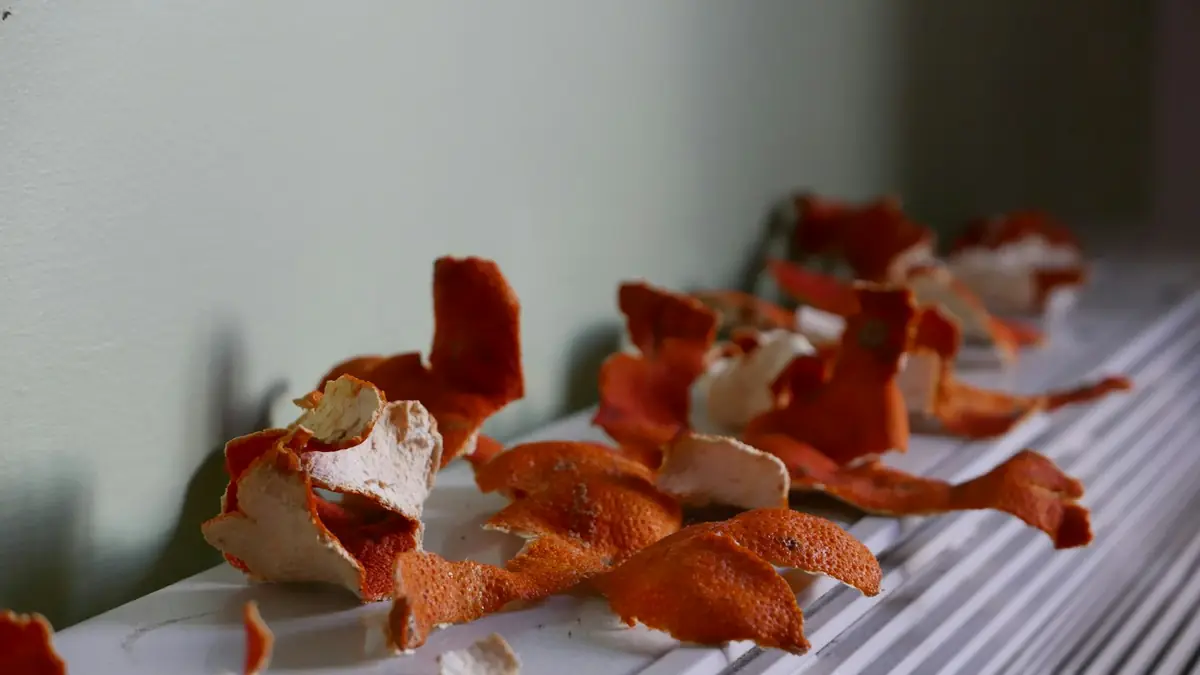
Source: ENEA, RT-2021-04, "Assessment of agro-industrial biomass availability at national level", 2021.
Under Article 184-bis of Italian Legislative Decree 152/2006, a residue is a by-product only if it meets four conditions at once. You have to be able to prove it with documents, and Volvere gathers them for you in a file, with a technical sheet and a transport document. Responsibility for compliance stays with you.
Declaration of origin. Which process the lot comes from and why it is not the aim of that process.
Match with a collector. Who takes it and for what use, written down before the lot leaves.
Description of its state. What the material is like: fresh or fermented, with or without stalks.
Legal references. The rules that apply to the use chosen for that lot.
Companies see what is available in each area, with quantity and collection period, and filter by supply chain. When a lot is of interest, they ask for contact.
Example lots in plausible provinces: not real offers.